



Movement for the Mind: Advancing Mental Health Through Physical Activity
Register today for the 2026 International Motion Impacts Emotion Conference and join leading researchers, clinicians, educators, students, and advocates from around the world as they explore the powerful connection between physical activity and mental health.
Gain access to cutting-edge research, practical applications, and valuable networking opportunities during this two-day event on September 11–12, 2026, at the Pyle Center in Madison, Wisconsin.
About
Join Us for a Groundbreaking Two-Day International Conference on Movement and Mental Wellness
Discover how physical activity can revolutionize mental health care.
This dynamic event will bring together leading experts, clinicians, researchers, and advocates from around the world to explore the latest evidence-based research and innovative strategies that integrate exercise, sports, and movement therapies into mental health treatment.
Highlights Include:
Cutting-edge insights on the role of physical activity in mental health prevention and care
Practical tools and solutions for clinicians, therapists, educators, and policymakers
A holistic approach to treating patients—mind and body
Virtual attendance options available
And much more!
Whether you’re a psychologist, psychiatrist, therapist, nurse, student, or wellness advocate, this is your opportunity to expand your knowledge and connect with a global network of professionals passionate about transforming mental health through movement.
Student discount available! Students can register for just $125 by sending a photo of their valid student ID to zayna@adelbkorkorfoundation.org. Discounts are limited. First come, first served.
Want a preview of what to expect?
Explore presentation videos from previous Motion Impacts Emotion Conferences and hear from leading experts discussing the latest research and practical applications of physical activity for mental health. These recordings offer valuable insights and a glimpse into the world-class content featured at the conference.
2026 Sponsors
Interested in sponsoring?
Contact us today!
Click here
Who Attends?
Physicians/Nurses/Health Care Workers
Understanding the Mind-Body Connection: Can gain a deeper understanding of how physical health impacts mental health. This knowledge helps in providing more comprehensive care by recognizing and addressing the physical aspects of mental health conditions.
Psychiatrists/Psychologists
Integrated Treatment Plans: Learning about the physical health factors involved in mental health can aid in creating more effective, integrated treatment plans that consider both mental and physical well-being.
Mental Health Advocates
Community Health Impact: Gaining insights into the interplay between physical and mental health helps in designing interventions that can improve community health outcomes.
Counselors/Social Workers/Therapists
Improved Client Outcomes: Understanding the relationship between physical and mental health can lead to better outcomes for clients. Effective management of physical health issues can significantly enhance mental health treatment outcomes.
Physical Therapists/Fitness Enthusiasts
Motivation and Compliance: Knowledge gained can help in addressing psychological barriers to treatment, improving patient motivation and compliance with physical therapy regimens.
Neuropsychologists
Latest Research and Trends: Conferences provide access to the latest research, treatments, and trends in the field. Staying updated helps mental health professionals apply the most current and effective practices in their work.
YOU
We all have a responsibility to prioritize our mental well-being, and if you are looking to explore resources and techniques for maintaining wellness, this upcoming conference is tailored just for you! Taking care of our mental AND physical health is crucial, especially in today’s fast-paced world where stress and anxiety are prevalent. Remember, investing in your mental health is an investment in your overall well-being and quality of life.
2026 Speakers


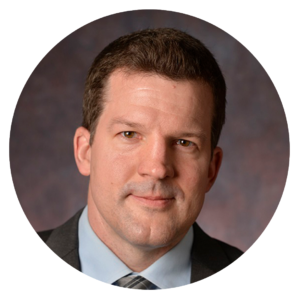
Brandon Alderman, PhD
Rutgers University–New Brunswick
Exercise Psychophysiology and Cognitive Neuroscience Researcher Specializing in Using Physical Activity to Enhance Physiological, Cognitive, and Emotional Resilience, Advancing Evidence-Based Interventions to Improve Mental Health and Brain Function in At-Risk Populations

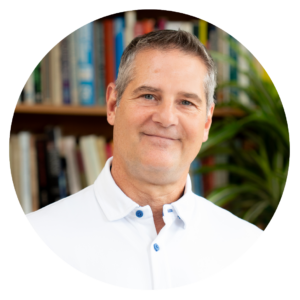


Amy Bantham, DrPH
Move To Live More
Public Health Leader and Physical Activity Advocate Specializing in Translating Evidence-Based Research into Policy, Strategy, and Practice, Helping Organizations and Communities Improve Health and Well-Being Through Movement


Dane Cook, PhD
University of Wisconsin–Madison
Exercise Neuroscientist and Psychobiology Researcher Specializing in the Effects of Physical Activity on Brain Health, Pain, Fatigue, Cognition, and Mental Health, Advancing Exercise-Based Approaches to Improve Outcomes for Individuals with Chronic and Complex Health Conditions
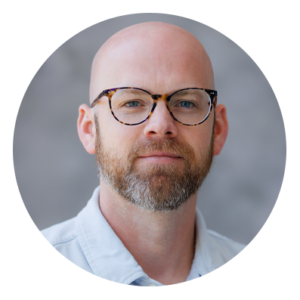
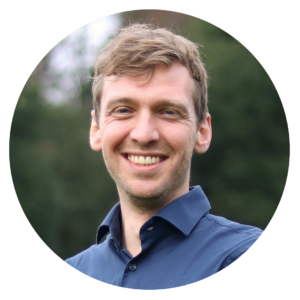


Kevin Crombie, PhD
University of Alabama
Researcher Specializing in the Effects of Aerobic Exercise on PTSD, Fear Extinction, and Reinforcement Learning, Using Neuroimaging and Computational Approaches to Advance Exercise-Based Interventions for Mental Health and Recovery


Jeroen Deenik, PhD
Maastricht University
Lifestyle Psychiatry Researcher and Health Psychologist Specializing in Integrating Physical Activity and Healthy Lifestyle Behaviors into Mental Health Care, Advancing Evidence-Based Implementation Strategies to Improve Mental and Physical Health for People Living with Serious Mental Illness
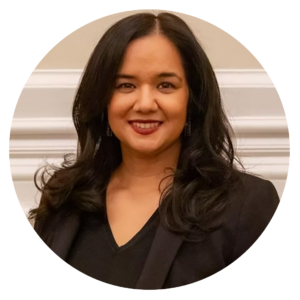


Lea Denny, Dr. h.c., MS, LPC, NCC, NMT
HIR Wellness Institute
Mental Health Strategist and Trauma-Informed Care Innovator Specializing in Culturally Grounded, Community-Based Healing for Indigenous and Underserved Populations, Advancing Survivor-Centered Models That Improve Mental Health Access, Equity, and Long-Term Community Well-Being



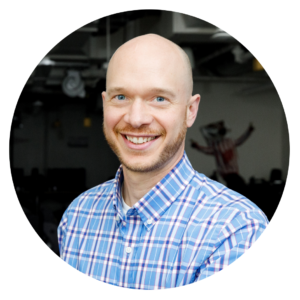
Benjamin Greenwood, PhD
University of Colorado Denver
Behavioral Neuroscientist Specializing in the Neurochemical Mechanisms Through Which Physical Activity Builds Stress Resilience, Advancing Research on Exercise, Brain Function, Motivation, and Fear Extinction to Improve Mental Health


Sana Mahmud
Free to Run
Sport for Development Leader and Global Advocate Specializing in Using Physical Activity to Advance Gender Equity, Youth Leadership, and Psychosocial Well-Being, Empowering Girls and Communities Through the Transformative Power of Sport


Emily Mailey, PhD
Kansas State University
Physical Activity and Behavioral Health Researcher Specializing in Developing Real-World Interventions That Integrate Movement and Nature into Mental Health Care, Advancing Evidence-Based Strategies to Improve Depression, Anxiety, and Community Well-Being


Jacob Meyer, PhD
University of Wisconsin-Madison
Researcher Specializing in the Neurobiological and Psychological Effects of Exercise on Depression and Other Mood Disorders, Aiming to Develop Effective Interventions That Enhance Physical Activity and Mental Health Through Exercise, Mindfulness, and Meditation



Simon Rosenbaum, PhD
University of New South Wales
Academic Exercise Physiologist and Global Mental Health Researcher Specializing in Physical Activity, Trauma, and Social Disadvantage, Advancing Evidence-Based Approaches to Improve Mental Health and Well-Being for Vulnerable and Displaced Populations




Kristin Szuhany, PhD
NYU Grossman School of Medicine
Clinical Psychologist and Mental Health Researcher Specializing in Cognitive Behavioral Therapy, Trauma, Anxiety, and Exercise-Based Interventions, Advancing Evidence-Based Strategies to Improve Mental Health, Resilience, and Long-Term Well-Being
2026 Schedule
FRIDAY, SEPTEMBER 11, 2026
Check-In and Continental Breakfast
Adel B. Korkor, MD
Conference Chair
Moderator: Simon Rosenbaum
Presentations
Dane Cook
Movement and the Brain in Complex Disease: The Challenge of Post-Exertional Malaise
Brandon Alderman
Neurocognitive Adaptations to Physical Activity: Implications for Mental Health and Resilience
Benjamin Greenwood
Exercise, Stress Resilience, and Brain Health
Presentation Time: 30 minutes each
Followed by: 30-Minute Moderated Discussion and Audience Q&A
Led by Amy Bantham
Examples:
Guided movement session
Campus walk
Yoga/stretching session
Simon Rosenbaum
Movement as Medicine: The Emerging Integration of Physical and Mental Health
45-minute Lecture
15-minute Audience Q&A
Lunch
Moderator: Jacob Meyer
Presentations
Jacob Meyer
Integrating Exercise Into Mental Health Treatment: Harnessing Acute Exercise
Kevin Crombie
Exercise and Psychotherapy-Relevant Learning and Decision-Making in PTSD: Translational Considerations from Lab-Based Studies
Kristin Szuhany
Leveraging Exercise to Improve Mental Health Outcomes: Translating Science into Clinical Practice
Emily Mailey
Helping People Move: Behavioral Counseling and Nature Prescriptions for Mental Health Providers
Presentation Time: 20 minutes each
Followed by: 40-minute Panel Discussion, Audience Questions, and Interactive Discussion
Led by Amy Bantham
Six Selected Oral Abstract Presentations
• Highlights from accepted poster abstracts
• Collaboration opportunities
Guided Walk Along the Shores of Lake Mendota
Open to all attendees and speakers
An opportunity for informal conversation, networking, and movement before the evening social event.
Conference Social Event
Dinner
Music
Dancing
Informal Networking
SATURDAY, SEPTEMBER 12, 2026
Continental Breakfast
Moderator: Simon Rosenbaum
Presentations
Simon Rosenbaum
From Evidence to Implementation: Physical Activity and Mental Health Across Communities
Jeroen Deenik
Moving Beyond the Clinic: Implementing Physical Activity in Community Mental Health Settings
Lea Denny
Community-Activated Mental Health: Movement, Connection, and Healing
Sana Mahmud
Running Toward Hope: Physical Activity, Resilience, and Young Women’s Empowerment in Conflict-Affected Communities
Presentation Time: 20 minutes each
Followed by: 40-minute Panel Discussion and Audience Engagement
Led by Amy Bantham
Moderator: Adel B. Korkor
Amy Bantham
From Evidence to Action: Building a More Active and Mentally Healthy Future
Brendan Kelly & Ben Davidson
Couch-to-5K: Mental Health Runners Program
Interactive fireside conversation, expert panel, audience breakout discussions, and development of a conference action plan/white paper.
Lunch
Conference Summary and Key Takeaways
Moderator: Adel B. Korkor
Highlights from:
• Foundations
• Clinical Translation
• Emerging Research
• Community Implementation
• Future Directions
Abstract Submissions Closed
Thank you to everyone who submitted an abstract for the 2026 International Motion Impacts Emotion Conference. We are grateful for the outstanding response and the high quality of research, clinical innovations, and community-based work shared with us.
Our Scientific Review Team is currently evaluating all submissions. Authors will be contacted with the results of the review process later this month, along with additional information for accepted oral and poster presentations.
We sincerely appreciate your interest in contributing to this year’s conference and look forward to showcasing the important work being done to advance mental health through physical activity.
Thank you for your submission—we look forward to connecting with you soon.
FAQ
The International Motion Impacts Emotion Conference offers a unique opportunity to learn from world-renowned researchers, clinicians, and innovators exploring the powerful connection between physical activity and mental health. Attendees will gain access to the latest evidence-based research, practical strategies, and emerging trends that can be applied in clinical practice, education, community programs, and personal wellness. Whether you are a healthcare professional, researcher, student, educator, or advocate, the conference provides valuable insights, meaningful networking opportunities, and inspiration to help advance mental health through movement.
These speakers each bring a unique perspective on the intricate relationship between physical and mental health, highlighting how advancements in clinical research have significantly contributed to our understanding. For instance, one speaker may delve into exercise and the stress resistant brain, while another may discuss the rationale, evidence, and potential role for exercise in treatment PTSD.
By exploring these various facets, we gain a more holistic view of how our bodies and minds are interconnected. Research studies have shown that regular exercise can reduce symptoms of depression and anxiety by releasing endorphins, the body’s natural mood elevators. This demonstrates the powerful link between physical activity and mental health outcomes.
Yes! The 2026 International Motion Impacts Emotion Conference will be held in person on September 11–12, 2026, at the Pyle Center in Madison, Wisconsin. Attendees will have the opportunity to learn directly from leading experts, participate in engaging discussions, network with professionals from around the world, and experience the conference in a collaborative and interactive environment.
If you’d like to be a sponsor or have a question, send a note to Zayna at zayna@adelbkorkorfoundation.org.
We are currently working on this.
Yes, food will be provided.
Yes! We recommend you use the below template:
Dear [Boss’s Name],
I hope this email finds you well. I am writing to request funding to attend the International Motion Impacts Emotion Conference, scheduled to take place in Madison, Wisconsin on Friday, September 11 and Saturday, September 12. This conference focuses on crucial advancements in mental health that directly relate to our current projects and initiatives.
Attending this conference would provide me with invaluable insights and practical knowledge that I can directly apply to our team’s efforts. Specifically, the sessions on [mention any specific topics or sessions that are relevant to your work] are particularly pertinent to our ongoing projects [mention project names or details if applicable].
Here is a brief overview of the conference agenda:
- Date: Friday, September 11 and Saturday, September 12, 2026
- Location: University of Wisconsin: Pyle Center, 702 Langdon St, Madison, WI 53706
- Conference Website: conference.abkf.org
Estimated costs for attending the conference include registration fees, accommodation, and travel expenses. I have researched cost-effective options to ensure that the expenses are within reasonable limits.
I believe that the insights gained from this conference will contribute significantly to our team’s goals, particularly in enhancing our approach to [mention specific goals or challenges where the conference insights will be beneficial].
I kindly request your approval for funding to cover the expenses associated with attending this conference. I am more than willing to provide a detailed post-conference report and share key takeaways with our team to maximize the benefits of this opportunity.
Thank you for considering my request. I look forward to discussing this further at your earliest convenience.
Best regards,
[Your Full Name]
[Your Position]
[Your Contact Information]
Yes, student discounts are back! Students can register for just $125 by sending a photo of their valid student ID to zayna@adelbkorkorfoundation.org. Discounts are limited. First come, first served.